Your First Aaron Kwok Show: A Field Guide for the Curious, the Converted, and the Chronically Late
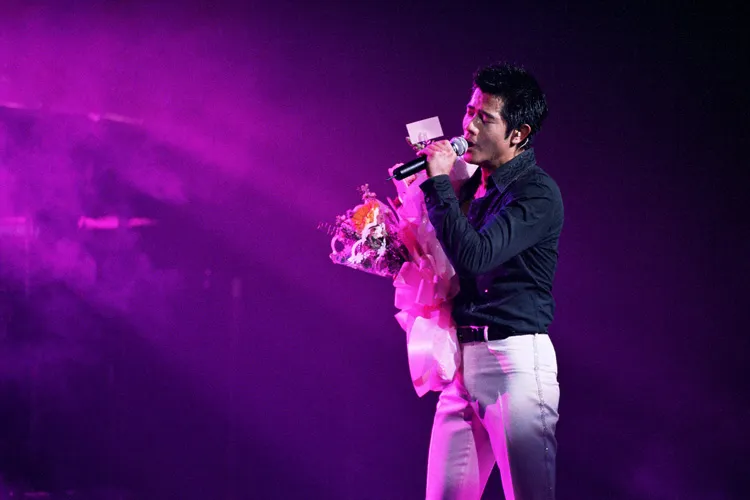
Photo: Jansen Zhang, CC BY-SA 2.0, via Wikimedia Commons
Your first Aaron Kwok concert can feel like walking into a family reunion where everyone knows the choreography but you. Good news: the room is friendlier than it looks. Aaron Kwok fans are passionate, but they are also used to newcomers. The crowd in the US is a mix of longtime listeners, curious pop fans, and people who got dragged along and leave converted. This guide is for all three.
Before You Go
First, check the venue's bag policy and transit options. US arenas have gotten strict about clear bags, and the last thing you want is to miss the opening because you brought the wrong tote. If you are driving, buy parking in advance. If you are taking rideshare, pick a pickup spot two blocks away from the arena. Every fan who has waited 40 minutes for a car after a show will tell you the same thing.
Dress code? There is no official one. You will see everything from jeans and sneakers to full sequined jackets. Wear something you can stand in for three hours, because you will probably be standing more than you expect. Comfortable shoes are not a style compromise. They are a survival strategy.
The Crowd Is Part of the Show
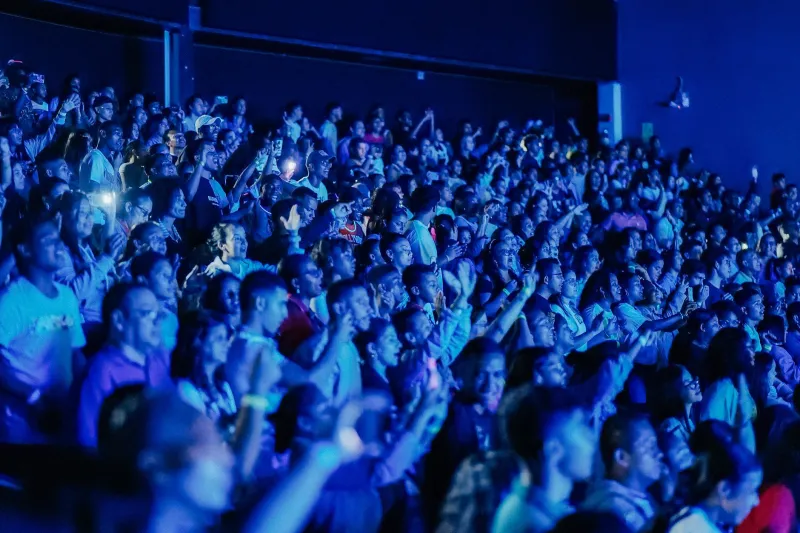
Aaron Kwok audiences are loud, but they are loud in a specific way. They cheer when he hits a note, when he finishes a dance break, and when he says anything in Cantonese or Mandarin. They also cheer for the band and the dancers. That last part matters. This is a crowd that treats the whole production as the event, not just the guy in the spotlight.
You do not need to know every lyric. You do need to know when to sit down. If the song is a ballad and the people around you are swaying with their phones down, follow their lead. If it is an uptempo number and the floor is bouncing, stand up. Watch the room. The room will tell you what to do.
A few practical notes: do not hold your phone above your head for the entire show. Do not scream a request between every song. Do not block the aisle for a photo. And if you are near the stage and someone shorter is behind you, check yourself before you spread out like you own the row. Fan culture works best when it is generous.
Setlist Lore: The Songs Longtime Fans Expect
Aaron Kwok has been performing for four decades, which means his setlist is a negotiation between the hits and the deep cuts. First-timers will recognize the big ones: 'Para Para Sakura,' 'Love You Forever,' and the dance-heavy numbers that turn the arena into a cardio class. But longtime fans also show up for the album tracks and the B-sides that never got a US radio push.
Songs like 'Crazy City' and 'Generation Next' carry a different kind of weight for the faithful. They are the ones that reward the fans who bought the import CDs and learned the lyrics phonetically. If you do not know them, that is fine. Just listen to the crowd. You will hear which lines matter.
There is also the ballad block. Aaron Kwok can hold a room with a slow song, and the audience knows it. This is when the light sticks go down and the voices go up. If you only know the choruses, sing the choruses. Nobody is grading you.
The One Song You Cannot Miss
If you remember one thing from this guide, remember this: 'Para Para Sakura' is not just a song. It is a group activity. The crowd knows the moves, or at least the general vibe of the moves, and the energy in the room changes when the intro hits. This is the moment to put your phone away, stand up, and join in. You do not have to be good at it. You just have to be there.
The song works because it is joyful without being ironic. Aaron Kwok has been performing it for years, and he still sells it. The crowd still buys it. If you are a first-timer, this is the moment you stop feeling like an outsider and start feeling like part of the show.
When to Cheer, When to Shut Up
Cheer after the song. Cheer after the dance break. Cheer when he says thank you. Do not cheer during the quiet piano intro of a ballad. Do not shout 'I love you' loud enough to drown out the person next to you. There is a rhythm to a concert crowd, and it is usually obvious once you are in it.
Also, learn the difference between a fan chant and a distraction. A fan chant is when the audience sings a specific line together. A distraction is when one person tries to start a wave during a slow song. The room will let you know which one you are doing.
The Encore and the Walk Out
Aaron Kwok encores are not always long, but they are usually worth staying for. Fans have learned to expect one more round, and the closing number often lands somewhere between celebration and goodbye. If the night ends with 'Para Para Sakura,' you will understand why it is the song people talk about on the train home. If it ends with a ballad, stand still and let the room sing.
After the show, do not rush the exits. The merch lines will be long, the bathrooms will be longer, and the rideshare lot will be chaos. Take a breath. Find your people. Sing the chorus one more time on the sidewalk. That is part of the experience too.
A Final Word for the Newcomer
You do not need to know every album or every lyric to have a great first Aaron Kwok show. You need to show up, pay attention, and let the crowd carry you. The fans in the room have been waiting for this night for months. They are not going to gatekeep it. They are going to show you why they love it. All you have to do is join in.